
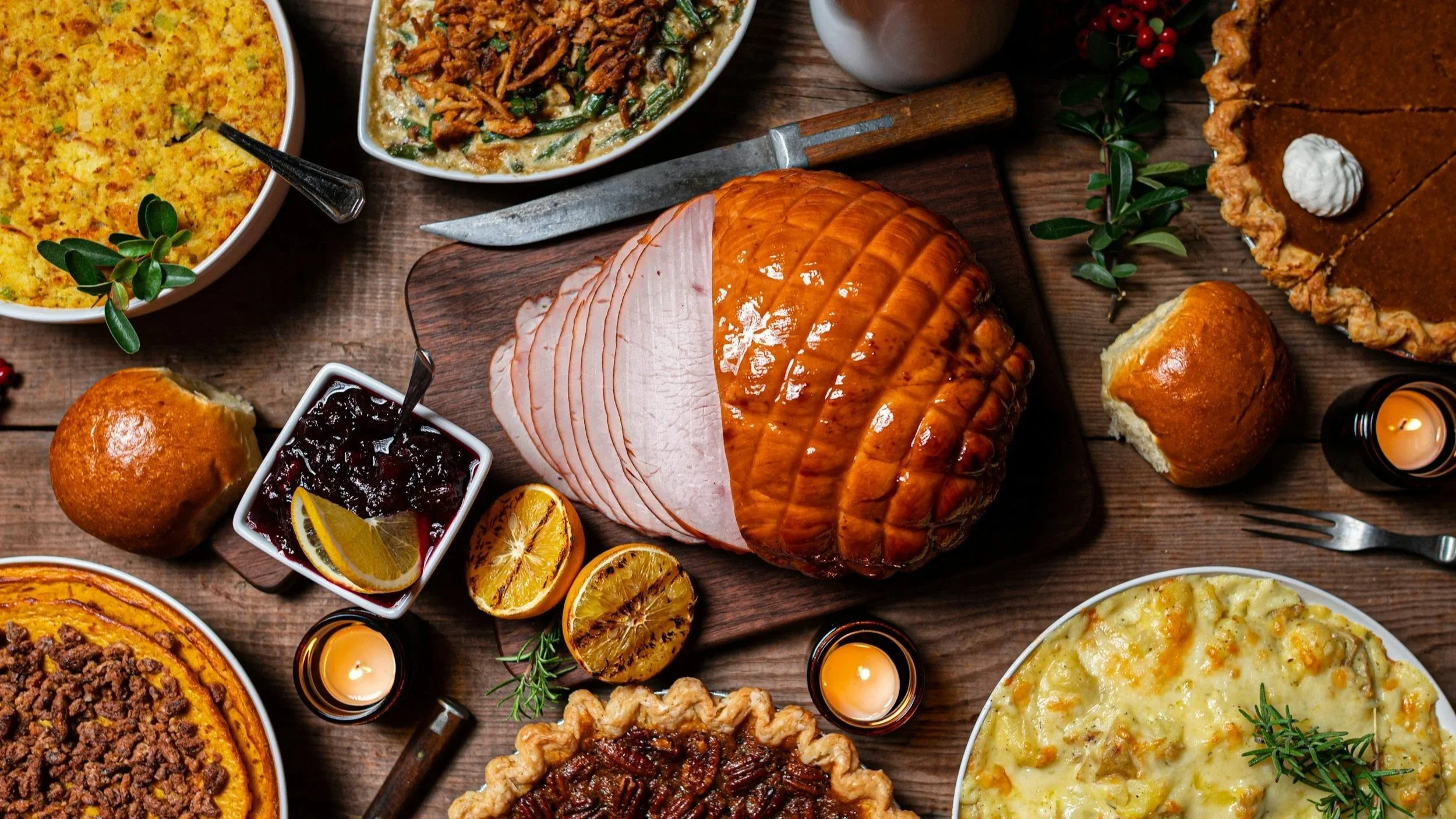
Thanksgiving is a feast for the senses and a workout for your digestive system. Rich foods, bigger portions, late dinners, and a full schedule of family and travel all land on your stomach at once. Chinese medicine has a lot to say about eating well and recovering well, so here's how to support your digestion before, during, and after the big meal.
How Chinese Medicine Sees a Heavy Meal
In Chinese medicine, digestion is run by the Spleen and Stomach, which break down food and turn it into the Qi and Blood your body runs on. A very large, rich, or late meal can overwhelm them, and the result is called food stagnation: fullness, bloating, belching, a heavy feeling in the belly, and sluggish energy afterward.
The traditional approach is gentle. Warm, simple drinks rather than ice-cold ones, slower eating, and a little movement afterward all help the digestive system do its job. It's a good example of the idea that health begins in the gut.
Herbs for After the Big Meal
Herbal teas are a comforting after-dinner tradition in many cultures. Think of them as gentle, low-risk ways to settle in after a meal.
Ginger tea. Warming and the classic choice for a queasy or unsettled stomach (we cover it in our ginger post).
Fennel seed tea. Traditionally sipped after meals for gas and bloating. If you're pregnant, check with your provider first.
Peppermint tea. A popular after-dinner sip, but it can worsen heartburn and acid reflux, so skip it if that's your usual complaint.
Chamomile tea. Calming and caffeine-free, but it can cause reactions in people allergic to ragweed-family plants.
Chinese medicine also uses specific herbs for heavy, rich meals, including hawthorn berry (Shan Zha), often used when meat and greasy foods sit heavy, and tangerine peel (Chen Pi), used for bloating and fullness. Classic formulas like Bao He Wan are used for food stagnation. These are best chosen with a TCM doctor in clinic, especially if you take medications, since herbs can interact with them.
Acupressure You Can Do at the Table
Two points are easy to find and easy to use:
PC6: on the inner forearm, about three finger-widths above the wrist crease, between the two tendons. Traditionally used for nausea and an unsettled stomach.
ST36: on the outer shin, about four finger-widths below the kneecap and a finger-width to the outside of the shin bone. A classic point for supporting digestion.
Press firmly but comfortably for about a minute on each side, breathing slowly. If you're pregnant, check with your provider before using acupressure.
How Acupuncture Supports Digestion
In acupuncture, we treat digestion with points like ST36, PC6, and CV12 (on the midline of the upper belly, halfway between the bottom of the breastbone and the belly button) to support the stomach and help move things along. Stress and digestion are closely connected too, and holiday stress is real, so the relaxing effect of a session can be part of the benefit.
The research is strongest for people whose digestive trouble is ongoing rather than a one-time overindulgence. A recent study on functional dyspepsia (recurring fullness after meals, feeling full quickly, or upper belly pain or burning) found that acupuncture improves symptoms and quality of life compared with placebo acupuncture, with no increase in side effects. So if your stomach acts up regularly, not just on Thanksgiving, it's worth a conversation.
Simple Habits for the Big Day
Eat slowly and stop when you're comfortably full, even if there's pie.
Choose warm drinks over ice-cold ones with your meal.
Take a gentle walk after dinner.
Don't skip meals earlier in the day to "save room," since arriving ravenous makes overeating more likely.
When to See a Doctor
Digestive discomfort after a big meal is common, but some symptoms need medical attention. Get care right away for chest pain or pressure, severe or persistent belly pain, repeated vomiting, trouble swallowing, or black or bloody stools. Chest pain can be a sign of a heart problem, so don't assume it's indigestion.
If your digestion needs more than a cup of tea, we're here to help, with acupuncture and herbal medicine tailored to you. We're located in Centennial and see patients throughout the south Denver metro area, including Highlands Ranch, Lone Tree, Parker, and Aurora. Book a visit.