
Building Your Wei Qi: A Tea, a Soup, and a Daily Ritual
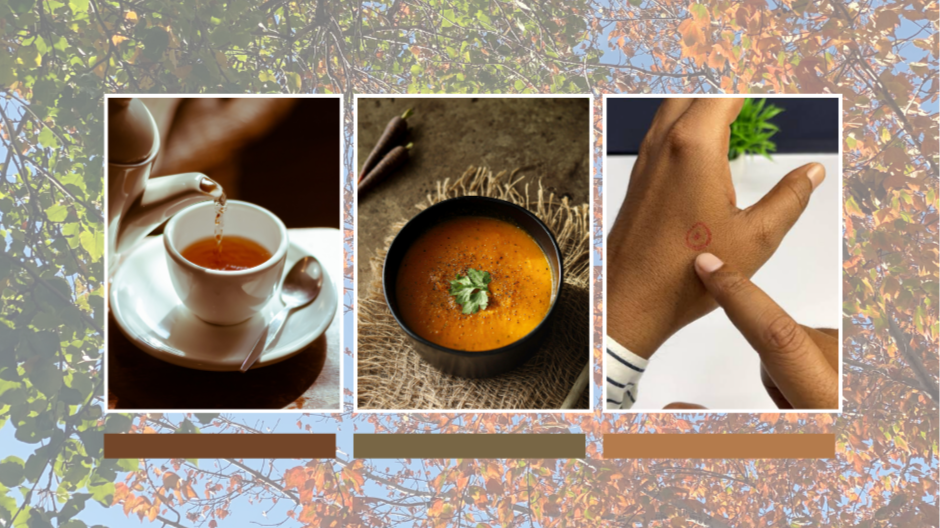
September in Colorado means one thing after another: kids back in school, the first cold snap in the mountains, and that first sniffle making its way around the office. In Chinese medicine, this transition is when we talk about protecting your Wei Qi (pronounced "way chee"), the layer of protective energy that sits just under your skin and is your body's first line of defense against wind, cold, and whatever is going around.
You don't need a cabinet full of supplements to support it. One good tea, one good soup, and one thirty-second habit will get you most of the way there.
What Wei Qi Actually Means
Think of Wei Qi as your body's screen door. When it's strong, it keeps out what shouldn't get in. When it's depleted (from poor sleep, stress, or just not eating enough warm, nourishing food) that's when a cold seems to "catch" you the moment the temperature drops. Fall specifically is Lung season in Chinese medicine, which is part of why respiratory bugs tend to show up right as the leaves turn.
Drink: Astragalus and Ginger Tea
Astragalus root (Huang Qi) is one of the most classic Wei Qi tonics in Chinese medicine, used for centuries to strengthen the body's outer defenses. It has a mild, slightly sweet taste and is traditionally simmered as a decoction rather than steeped like a regular tea. Preliminary lab research suggests it has immune-modulating properties, though most of that hasn't reached the level of large human trials, so think of it as a traditional daily tonic rather than a treatment for an active cold.
Simmer 4 to 5 slices of dried astragalus root with a few slices of fresh ginger in about 3 cups of water for 15 to 20 minutes. Strain and sip warm. A couple of times a week through fall is the traditional approach. If you're pregnant, nursing, on immunosuppressant medication, or managing an autoimmune condition, check with your provider first.
Eat: Turmeric Chicken and Vegetable Soup
Turmeric is one of those spices that actually backs up its reputation. It's been studied more than almost any other kitchen ingredient, and there's good evidence it helps calm inflammation in the body. The black pepper here isn't just for flavor either. It actually helps your body absorb a lot more of turmeric's benefits, so the two are always better together than turmeric on its own.
2 lbs bone-in chicken thighs
1 onion, diced
3 carrots, sliced
3 celery stalks, sliced
3 garlic cloves, minced
2-inch piece fresh turmeric root, grated (or 2 tsp ground turmeric)
1-inch piece fresh ginger, grated
1/2 tsp black pepper
8 cups chicken broth or water
Salt to taste
Fresh cilantro or parsley, for serving
In a large pot, saute the onion, carrots, celery, and garlic until softened, about 5 minutes. Add the turmeric, ginger, and black pepper, and stir for another minute until fragrant. Add the chicken and broth, bring to a boil, then reduce to a simmer for 35 to 40 minutes, until the chicken is cooked through. Remove the chicken, shred it, and return it to the pot. Season with salt, and finish with fresh herbs. Good for a Sunday batch you eat off of all week.
Do: A Thirty-Second Acupressure Ritual
This is the piece most people skip, and it's the one that costs nothing and takes less time than brewing the tea.
LI4 (Hegu) is one of the most commonly used points in Chinese medicine, located in the webbing between your thumb and index finger, at the highest point of the muscle when you bring your thumb and finger together. Traditionally, it's used to support the body's defensive energy and is one of the first points many practitioners reach for at the start of a cold.
To use it: press firmly into that webbing with the thumb of your other hand, hold for a slow count of 10, release, and repeat 5 to 10 times per hand. Do it once a day through fall as a small daily check-in with your own energy, not just when you already feel something coming on.
One note: this point is traditionally avoided during pregnancy, so skip it if that applies to you.
None of these three things is a magic fix on its own. What actually builds Wei Qi is the same small things done consistently: warm food, a supportive herbs, and a moment of attention to your own body every day.
If you're in the south Denver metro area (Highlands Ranch, Lone Tree, Parker, Aurora, or Centennial) and want a more personalized look at what's depleting your Wei Qi this season, book a visit with us and we'll build a plan around what your body actually needs.