
Hit the Trails Without the Pain: Acupuncture for Hikers' Knees
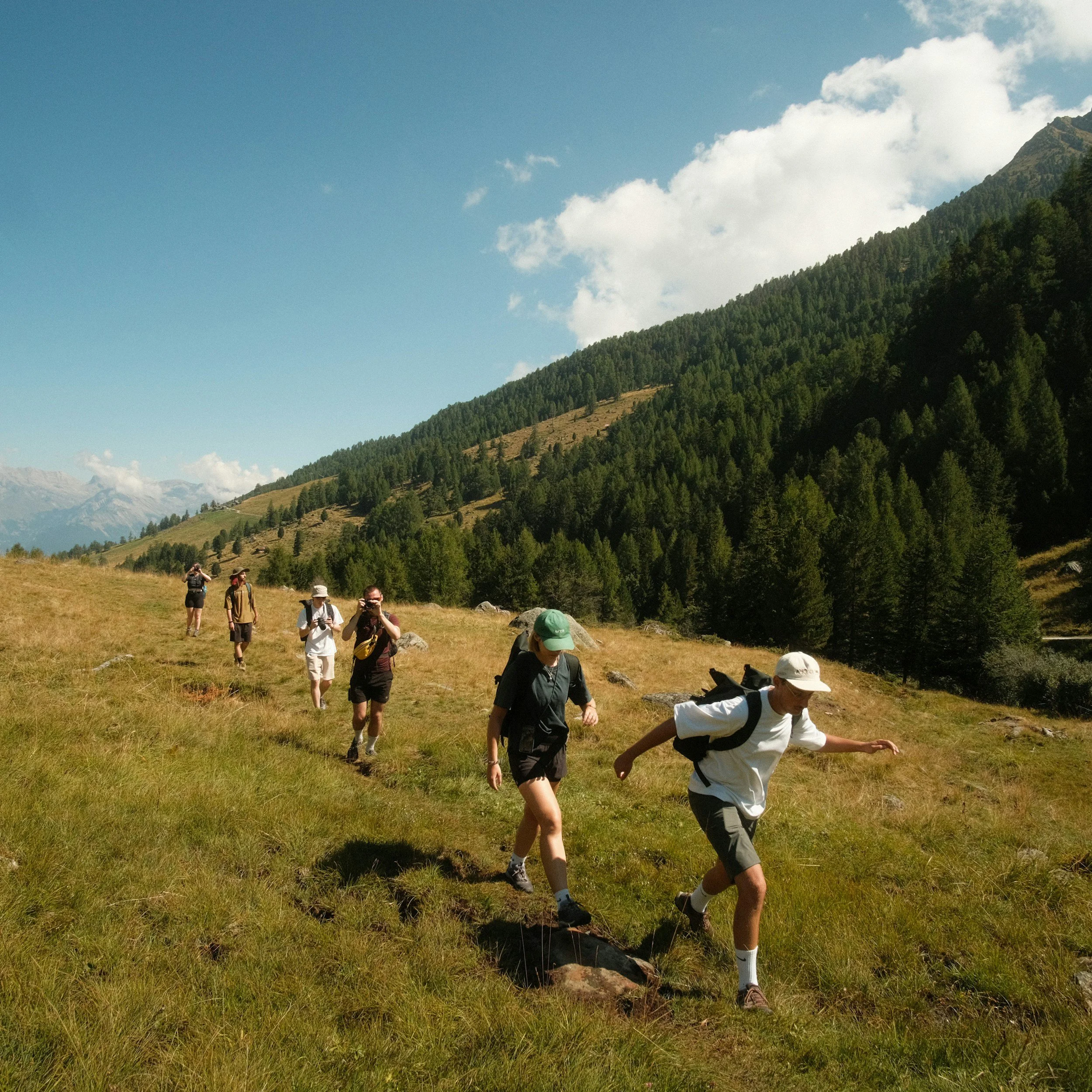
The trails are calling. But if your knees are answering back with pain, you do not have to choose between your favorite outdoor activity and your comfort. Acupuncture can help keep you moving all summer long.
Why Hiking Is So Hard on Knees
Hiking asks a lot of your knees. Elevation gain, uneven terrain, steep descents, and long trail miles all add up fast. For a lot of hikers, knee pain is an unwanted but familiar companion. The three most common culprits are IT band syndrome, patellar tendinitis, and general wear-related soreness, and acupuncture addresses all of them.
IT Band Syndrome
The IT band is a thick band of connective tissue running along the outside of the thigh down to the knee. On descents especially, it can rub against the outer knee and cause sharp, burning lateral pain. It is one of the most common overuse injuries in hikers.
Acupuncture targets the muscles pulling the band taut, reduces local inflammation at the knee, and improves hip and glute function to take the strain off the IT band at the source.
Patellar Tendinitis (Hiker's Knee)
Patellar tendinitis causes pain just below the kneecap that tends to get worse on descents or after long days on the trail. It usually develops when hikers ramp up mileage or elevation too quickly.
Acupuncture and dry needling of the patellar tendon and surrounding tissue help increase local circulation, support collagen repair, and address the muscular imbalances in the quads and hip flexors that put uneven pressure on the tendon.
General Knee Soreness and Wear-Related Pain
Many hikers deal with a more generalized aching that flares on longer or steeper routes. In Traditional Chinese Medicine, this pattern is often related to Kidney deficiency, the organ system that governs joints and bones, or Bi syndrome, a painful obstruction of Qi and blood in the joint caused by overuse or cold. Treatment focuses on strengthening kidney energy, improving circulation in the joint, and reducing pain and swelling.
What to Expect at Hawthorne
A typical course of acupuncture treatment for knee pain includes a full assessment of your pain pattern and movement history, acupuncture at both local knee points and distal points that influence the joint, cupping or gua sha for soft tissue tension in the quads, IT band, and calves, and moxibustion for cold or deficient patterns to warm and nourish the joint.
Most hikers see meaningful improvement in three to six sessions, and we will work around your hiking schedule to keep you as active as possible throughout treatment.
Do not put your hiking season on pause. We would love to help you build a plan to get back on the trail feeling good.